



On Sept. 28, we told you the Houston Texans were the team in the wheelhouse for a perfect Marvin Harrison Jr. destination. We also told you there were at least three NFL front offices that believed the languishing third-year wideout could be worth as much as a second-round pick.
On Oct. 11, the Texans proved both assessments to be true.
Houston acquired Harrison Jr. and a 2027 seventh-round pick from the Arizona Cardinals on Sunday, in exchange for two assets: a 2027 second-round pick and a 2027 sixth-round pick. A bounty that, frankly, was a lot. Or at least it appeared to be rich when compared against other front office assessments that suggested a second-round pick for Harrison would likely be a late choice in the round, coming from a contender.
At 1-4 through five weeks of the season, the Texans are not a contender. So that second-round pick has a chance to be fairly high, in a 2027 draft that is expected to be especially deep.
The price paid by Houston sends a message. And that message is this: Despite Harrison Jr.’s shrinking production since being chosen with the fourth overall pick of the 2024 NFL draft, the Texans believe enough in him to pick up the 5th-year option on his rookie contract. To the tune of $17.198 million guaranteed in 2028.
That’s what this trade exchange says. That a player with five catches for 85 yards — in four games this season — is not as bad as the stat sheet or analytics suggest he is. The trigger for Harrison Jr.’s fully guaranteed 5th-year option comes up in May. And the Texans will be triggering it. After all, you don’t give up a second-round pick in a good draft just to rent Marvin Harrison Jr. for the remainder of the 2026 season and the balance of 2027. No, you give up that pick to get a snapshot of him through 2028.
Now the Texans will, reuniting Harrison Jr. with his former Ohio State quarterback, C.J. Stroud, who was paired with the wideout during the 2021 and 2022 college football seasons.
Harrison Jr. is now the second player from the 2024 draft’s first round to be traded, joining the 10th overall pick from that draft, quarterback J.J. McCarthy. Late last month, McCarthy was traded from the Minnesota Vikings to the New York Giants for a 5th-round pick in the 2027 draft. Another trade that speaks volumes about a player’s 5th-year option, which will most certainly not be exercised in McCarthy’s case.
But these two trades got me thinking about that 2024 draft and where we are with next May’s 5th-year option decisions. Specifically, who is going to have their option picked up, who isn’t, and which players are currently fighting to nail down that lucrative extra season of guaranteed money.
With that in mind, here is a snapshot of the 2024 draft’s first round and where each player stands with a 5th-year option decision just months away …
Crown them: Players who will have their option picked up
Caleb Williams, QB, Chicago Bears (No. 1 overall pick)
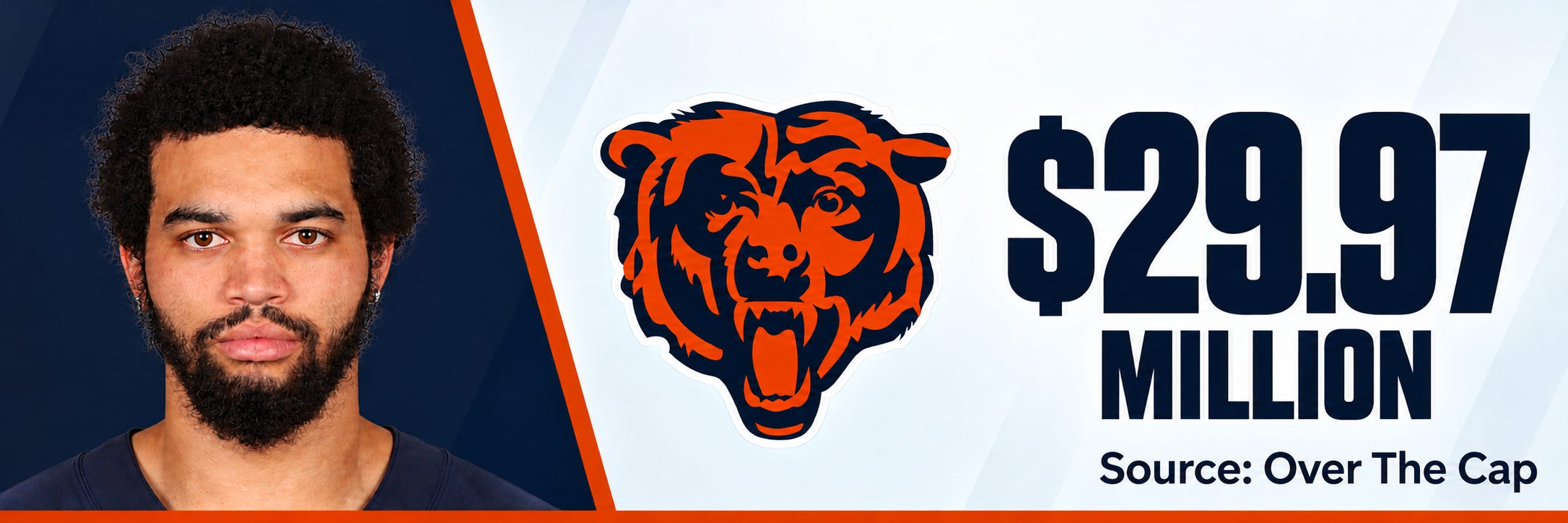
Williams’ current 5th-year option is projected at $29.97 million based on playtime markers. He’s the cornerstone of the franchise moving forward. Zero question about his option being picked up. It’s more likely that Chicago signs him to a long-term extension this summer that makes him the highest-paid quarterback in the NFL.
Jayden Daniels, QB, Washington Commanders (No. 2 overall pick)
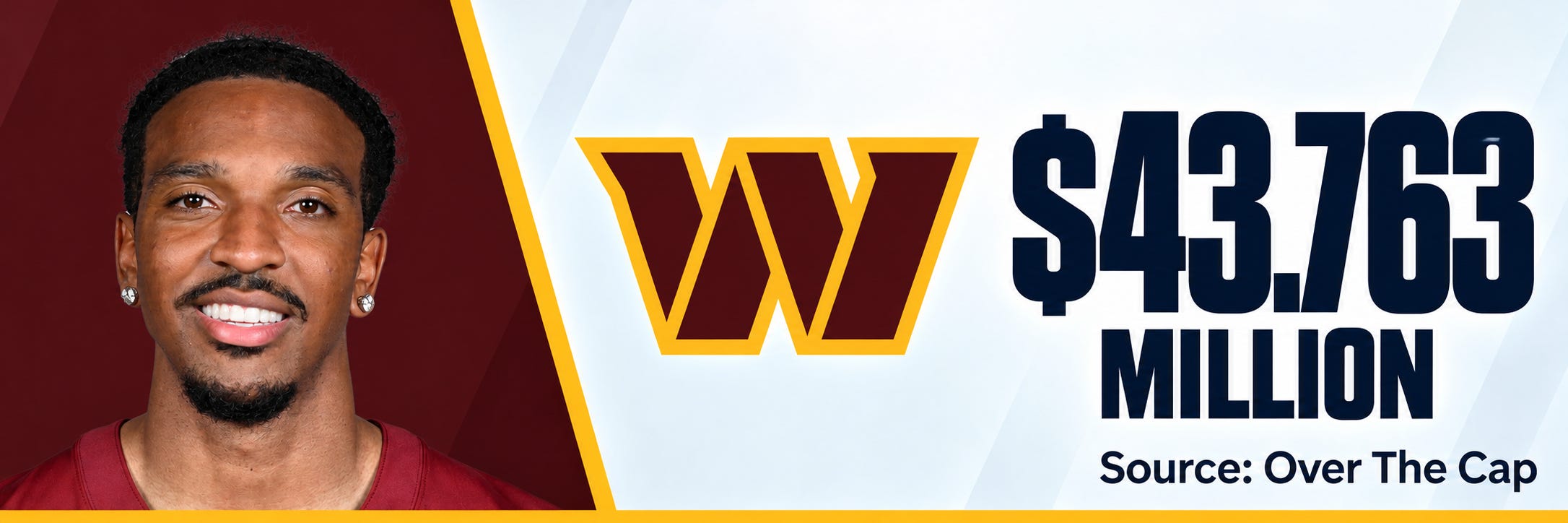
Daniels’ current 5th-year option is projected at $43.763 million based on his original-ballot (not alternate) selection to the Pro Bowl after the 2024 season. The intrigue here is whether the Commanders attempt to sign Daniels to a long-term extension following the season, which seems in some jeopardy following consecutive seasons with injuries to his non-throwing left elbow. His option will be picked up. His extension is another conversation that will depend on how the remainder of his season plays out. It’s worth noting that thus far, he has failed to recapture the magic of his 2024 rookie season.
Drake Maye, QB, New England Patriots (No. 3 overall pick)
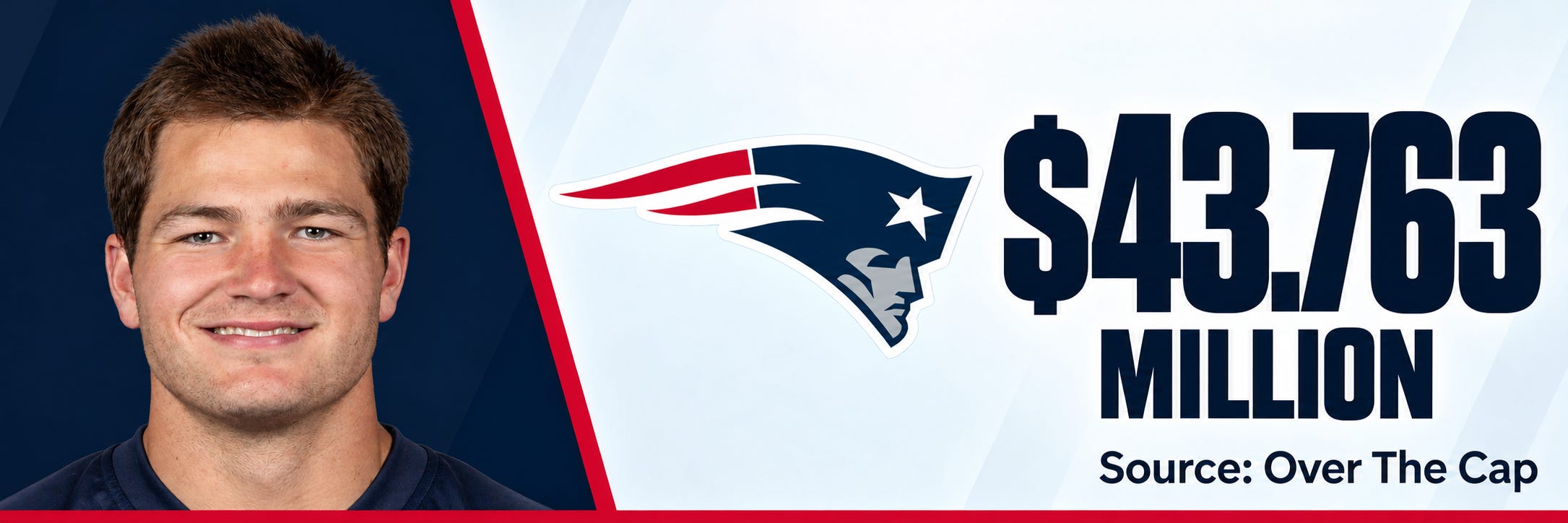
As with Daniels, Maye’s 5th-year option is projected at $43.763 million, based on an original-ballot Pro Bowl selection in his banner 2025 season. And as with Daniels and Williams, there is zero question that his 5th-year option will be exercised. Despite his rough start through the season’s first three games, Maye is also likely to ink an extension in the coming offseason that could make him the highest-paid quarterback in the NFL, depending on the timing of an extension, which could coincide with multiple other major QB deals.
Marvin Harrison Jr., WR, Houston Texans (No. 4 overall pick)
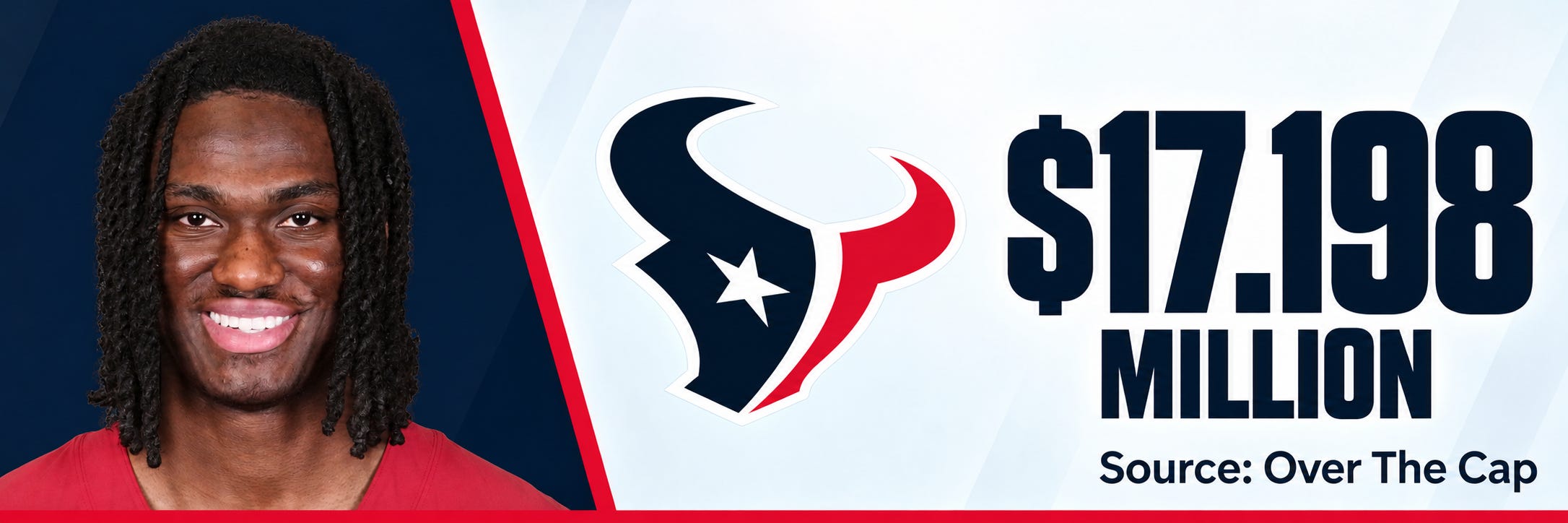
As I explained the Harrison Jr. situation above, the second-round trade compensation for Harrison Jr. indicates the Texans are committed to him through the 5th-year option.
Joe Alt, OT, Los Angeles Chargers (No. 5 overall pick)
Alt’s current 5th-year option is projected at $27.501 million based on his original-ballot (not alternate) selection to the Pro Bowl after the 2025 season. Injuries have been an issue through his first two-plus seasons, but when he’s healthy, he’s a cornerstone and has both right and left tackle flexibility. His 5th-year option is a bargain price for talented offensive tackles. I’m not sure Alt will get the Penei Sewell treatment and sign an extension after his third NFL season, but given where salaries are heading, the Chargers could choose to get ahead of the market.
Malik Nabers, WR, New York Giants (No. 6 overall pick)
Nabers’ 5th-year option is projected at $17.198 million, but could climb to $18.95 million if he hits 75 percent of available offensive snaps this season. While he has a Pro Bowl under his belt, he doesn’t qualify for the Pro Bowl tier salary because he was named as an alternate. Given his last two strong games, it’s not out of the question that Nabers could go on a run and be voted to the Pro Bowl, boosting his option to the $26.544 million tier. When healthy, he’s the Giants’ high-impact No. 1 wideout. Regardless of tier, his option is expected to be picked up. There’s also a chance that with a dominant finish, he’ll get the Jaxon Smith-Njigba treatment next offseason and negotiate an extension.
Brock Bowers, TE, Las Vegas Raiders (No. 13 overall pick)
Thanks to original-ballot Pro Bowl selections in 2024 and 2025, Bowers’ 5th-year option is already projected in the maximum tier at $17.479 million. He’s already arguably the league’s most dominant young tight end and should end up signing a contract extension next offseason. There’s one extremely interesting wrinkle here, though. Opponents have noted that through three games this season, new head coach Klint Kubiak is utilizing Bowers more like a big mismatch wideout than a classic tight end. That could create some interesting contract negotiations when it comes to an extension. Wide receiver money is exponentially more lucrative than tight end money. The question is whether Bowers’ representatives choose to pursue his extension from wide receiver comps or tight end comps. Stay tuned to this one.
Byron Murphy II, DT, Seattle Seahawks (No. 16 overall pick)
Unless he lands an original-ballot Pro Bowl nod this season, Murphy’s 5th-year option is projected at $15.222 million. Murphy has developed into a strong interior piece for Seattle’s defense, providing — and finishing — quarterback pressures. He had seven sacks during the 2025 Super Bowl campaign and has started this season with three sacks in five games. Extensions for defensive tackles aren’t usually a big priority after only three seasons, but it’s not unprecedented for high-end talents. See Jalen Carter’s extension with the Philadelphia Eagles this past offseason. I’d say Murphy likely won’t see extension movement until after 2027, but it’s not out of the question if he finishes this season the way it has started.
Dallas Turner, EDGE, Minnesota Vikings (No. 17 overall pick)
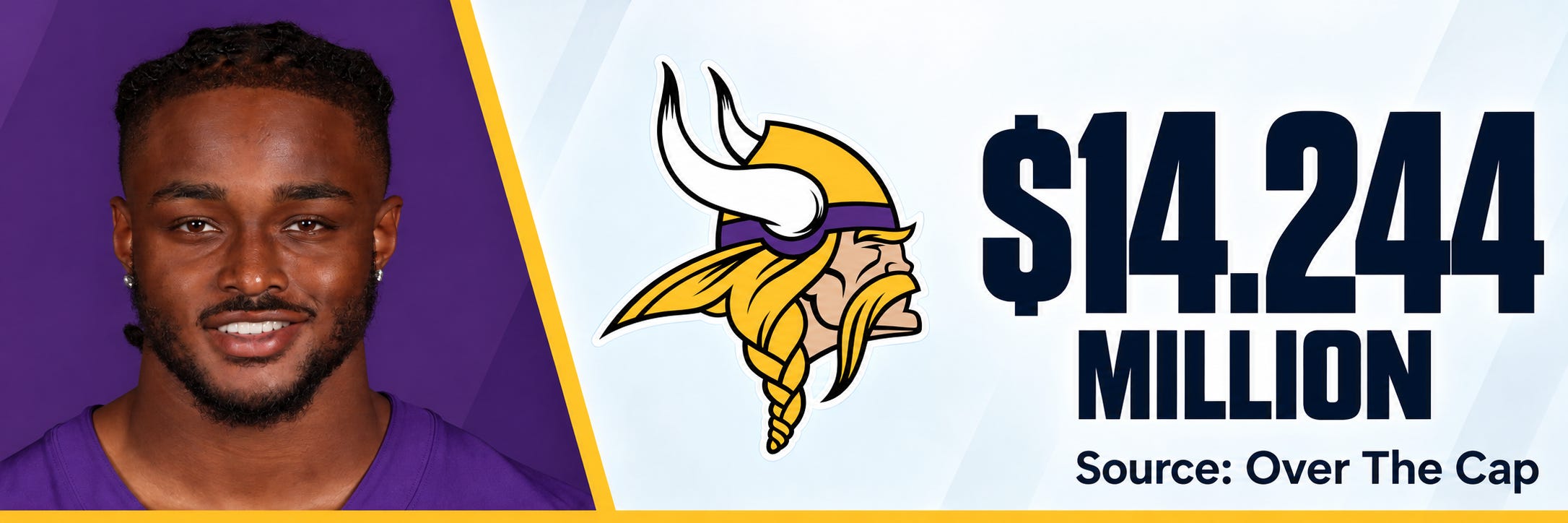
Turner’s 5th-year option is projected at $14.244 million, but an original-ballot Pro Bowl nod this season would boost that number to $23.367 million. He’s off to a blistering start for the 5-0 Minnesota Vikings — with 5.5 sacks through five games and a league-leading 32 quarterback pressures. That’s trending toward an original-ballot Pro Bowl nod, a higher-tier 5th-year option and a likely contract extension next offseason. At this point, Turner is also a strong candidate to win A.P. Defensive Player of the Year.
Amarius Mims, OT, Cincinnati Bengals (No. 18 overall pick)
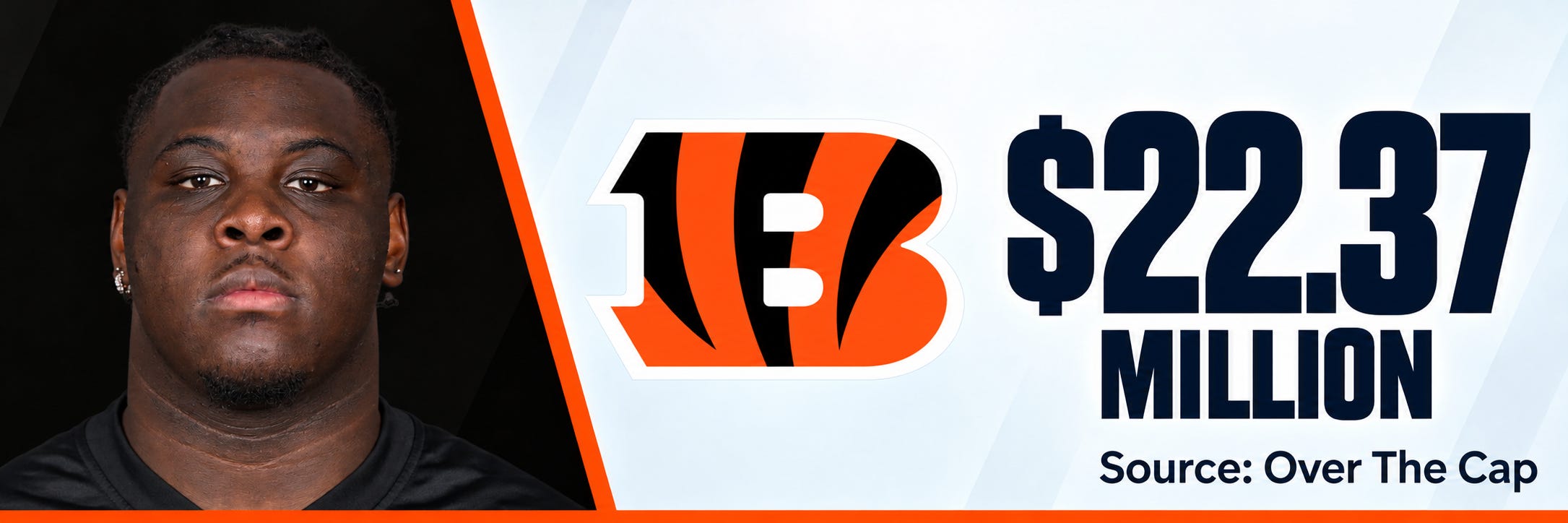
Mims’ 5th-year option is projected at $22.37 million, but an original-ballot Pro Bowl nod this season would boost that number to $27.501 million. He has yet to allow a sack this season and has been one of the league’s best pass-protecting right tackles. His run-blocking consistency is still a work in progress, but Mims could still garner Pro Bowl attention and land his higher-tier option. Depending how the Bengals perform through the remainder of the season, Mims’ contract path could mirror that of Chicago Bears right tackle Darnell Wright, who was signed to an extension after his third season. Given the Bengals don’t often move quickly to get ahead of the market, that would be a surprise, though.
Jared Verse, EDGE, Cleveland Browns (No. 19 overall pick)
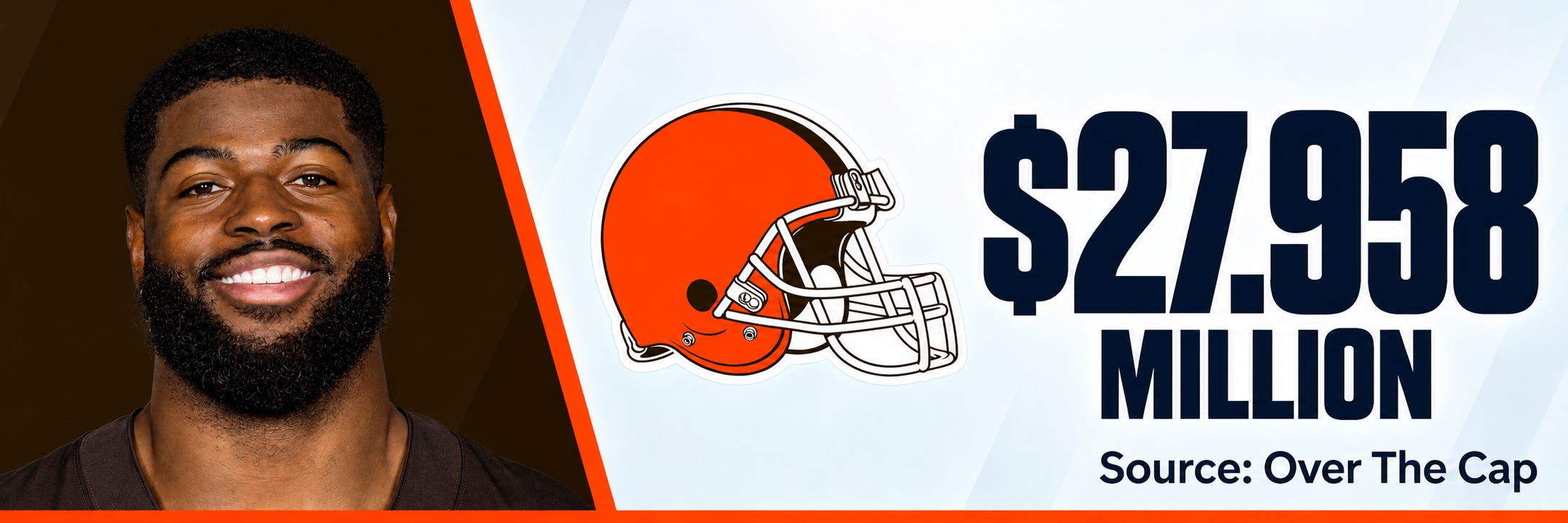
Thanks to a pair of original-ballot Pro Bowl nods in 2024 and 2025, Verse’s 5th-year option is already projected into the max tier at $27.958 million. Given that he was a major part of the Myles Garrett trade with the Los Angeles Rams and showcased high-end pass-rush ability in his first two seasons, the Browns will be picking that option up. The more interesting question is whether Verse will be prioritized for an extension this offseason. He has yet to record a sack for the Browns through five games and has only 10 quarterback pressures in that span. And while not everything shows up in the box score, there’s little arguing that Verse is off to a slower start than expected in Cleveland. How he finishes will factor into whether extension talks will gain significant traction this offseason. It might be a wait-and-see scenario.
Quinyon Mitchell, CB, Philadelphia Eagles (No. 22 overall pick)
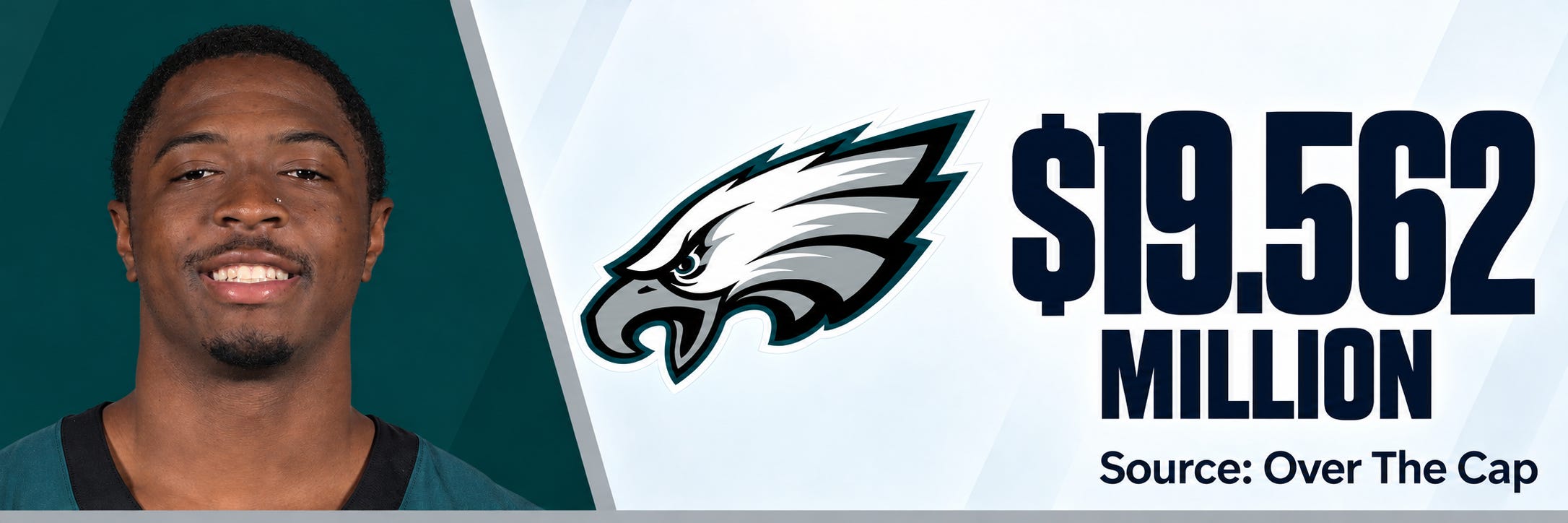
An original-ballot Pro Bowl selection in 2025 has Mitchell’s projected option at $19.562 million. Another Pro Bowl this season would push that projection to $23.119 million. That isn’t out of the question for one of the NFL’s best young cover corners. His option will be picked up regardless of that tier. I also believe that part of the Eagles’ decision to trade offensive lineman Cam Jurgens earlier this season was to free up money to help with a Mitchell extension. Few in the league get ahead of the contract market more aggressively than Eagles general manager Howie Roseman. Maybe no other GM does. I expect that Mitchell’s option will be picked up and Roseman will work hard to get a long-term extension done prior to Philadelphia’s 2027 training camp.
Trending up: Players close to an option pickup
JC Latham, OT, Tennessee Titans (No. 7 overall pick)
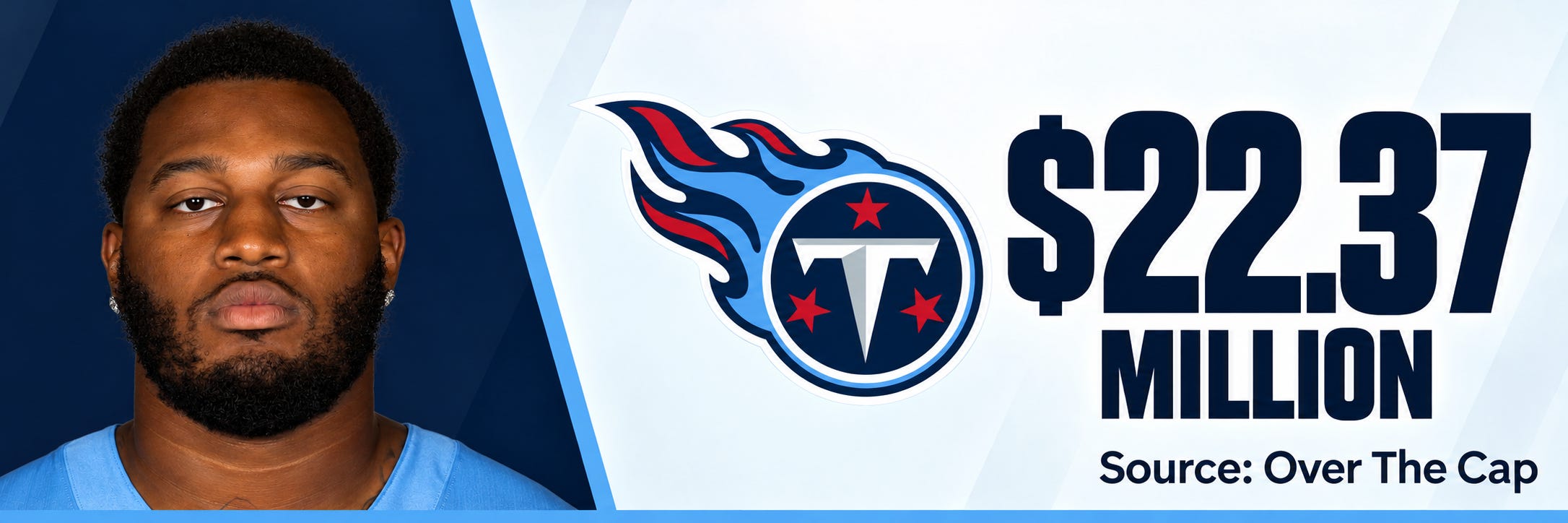
Latham’s 5th-year option is projecting toward a $22.37 million playtime tier. His improving pass protection — including just six pressures allowed through five games — gives the Titans reason to keep investing in him despite some remaining inconsistency. The bottom line is that he’s showing year-over-year improvement and if that continues he will get his option triggered. I don’t think there will be a long-term offseason extension unless the Titans can get it done at a solid price.
Rome Odunze, WR, Chicago Bears (No. 9 overall pick)
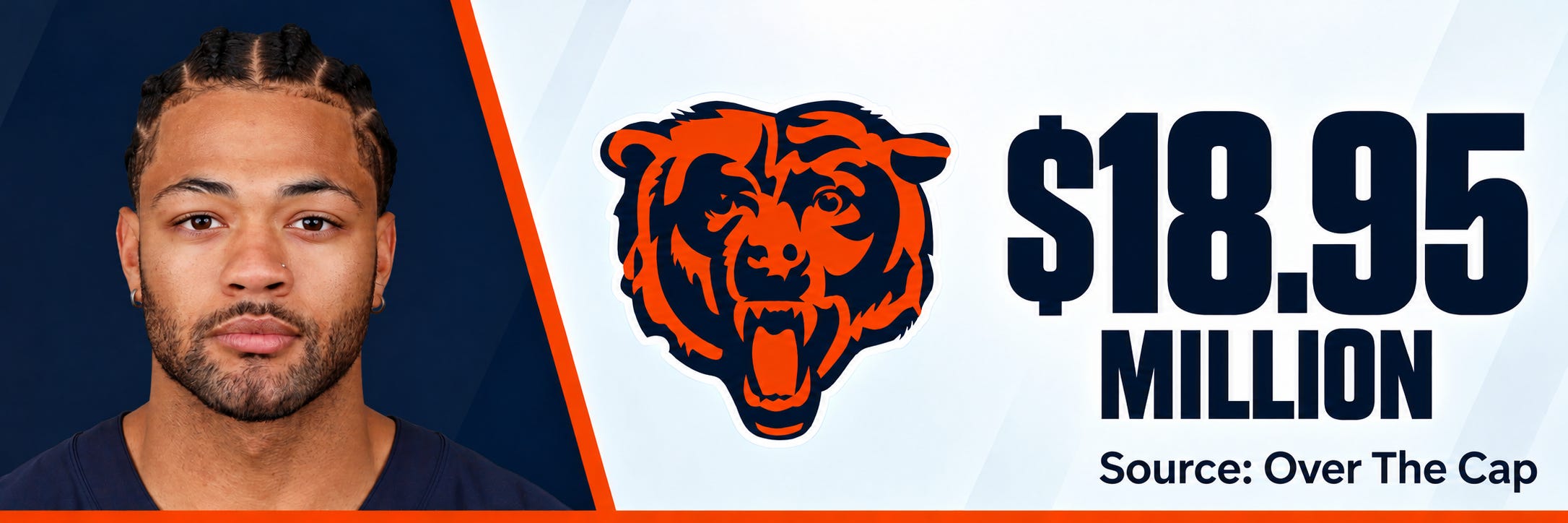
Odunze’s 5th-year option is projecting toward an $18.95 million playtime tier. Thus far, Odunze hasn’t delivered the breakout expected of a top-10 pick, but you can argue that a system change and the development of Caleb Williams have played into it. Not to mention a Ben Johnson scheme that runs the ball and spreads passing opportunities around. What matters is Odunze is growing alongside Williams and even if Odunze becomes just a high-end No. 2 wideout, that price tag in 2028 for his option isn’t out of bounds. As for a long-term extension, he’s in the wait-and-see category unless he experiences a major breakout in the remainder of this season.
Bo Nix, QB, Denver Broncos (No. 12 overall pick)

Nix’s 5th-year option is projected at $29.97 million via the playtime tier. His first two years as a starter have given the Broncos enough reason to maintain their investment, although this season’s uneven performances are keeping him just on the outside edge of the automatic-pickup group. Maybe I wouldn’t feel this way if head coach Sean Payton wasn’t suggesting he needs to see more aggression from Nix. But this is the same Payton that told me prior to the 2025 season that he could see Nix becoming a top-five quarterback in the NFL. I expect Denver will exercise the 5th-year option, but Nix needs a strong finish to this season if he expects to get a long-term extension done in the coming offseason. At this point, I’m not even sure Nix would slot as a QB earning $40 million per season. He has to change that.
Laiatu Latu, EDGE, Indianapolis Colts (No. 15 overall pick)
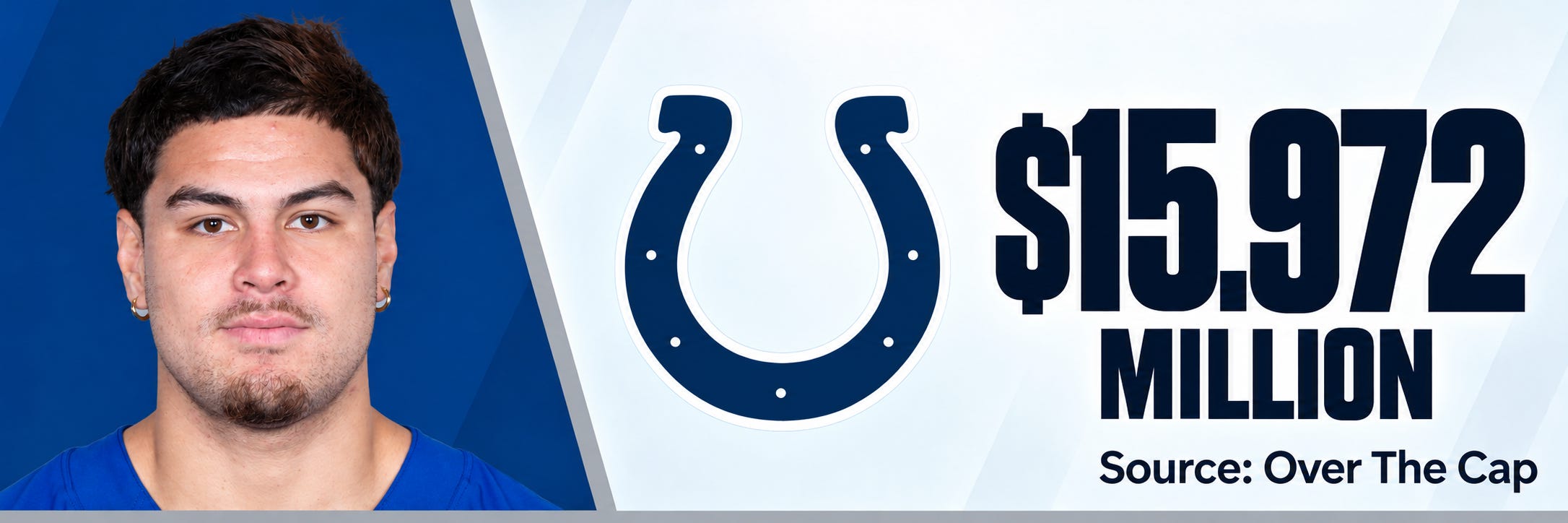
Latu’s 5th-year option is projecting toward the $15.972 million playtime threshold. His 8.5-sack performance in 2025 was promising enough to suggest a 5th-year option would be automatic — and it probably is. But he’s also notched one sack through this season’s first five games. I still believe he gets his option triggered. Especially given the reasonable price tag for a season of edge play. But Latu needs a strong finish to take it from an option pickup to extension talks.
Nate Wiggins, CB, Baltimore Ravens (No. 30 overall pick)
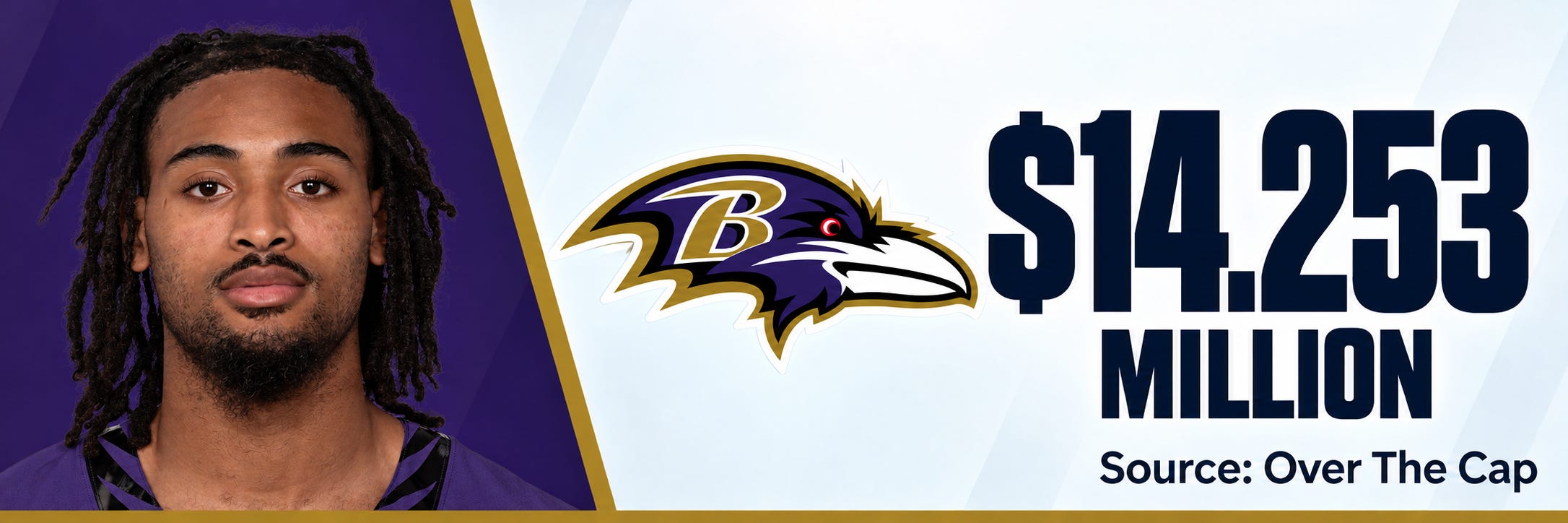
Wiggins’ 5th-year option is projecting to the $14.253 million tier. Frankly, coverage cornerbacks are expensive and Wiggins’ coverage ability gives the Ravens plenty of motivation to exercise the option. Like everyone else in this category, he’s just barely outside of the “automatic” tier. Wiggins’ year-over-year improvement and position premium make the option a fairly easy decision. A strong finish on a contending team could end up putting him in line for an extension, too — if Baltimore wants to get ahead of his market.
Coin toss: Players who have work to do
Michael Penix Jr., QB, Atlanta Falcons (No. 8 overall pick)
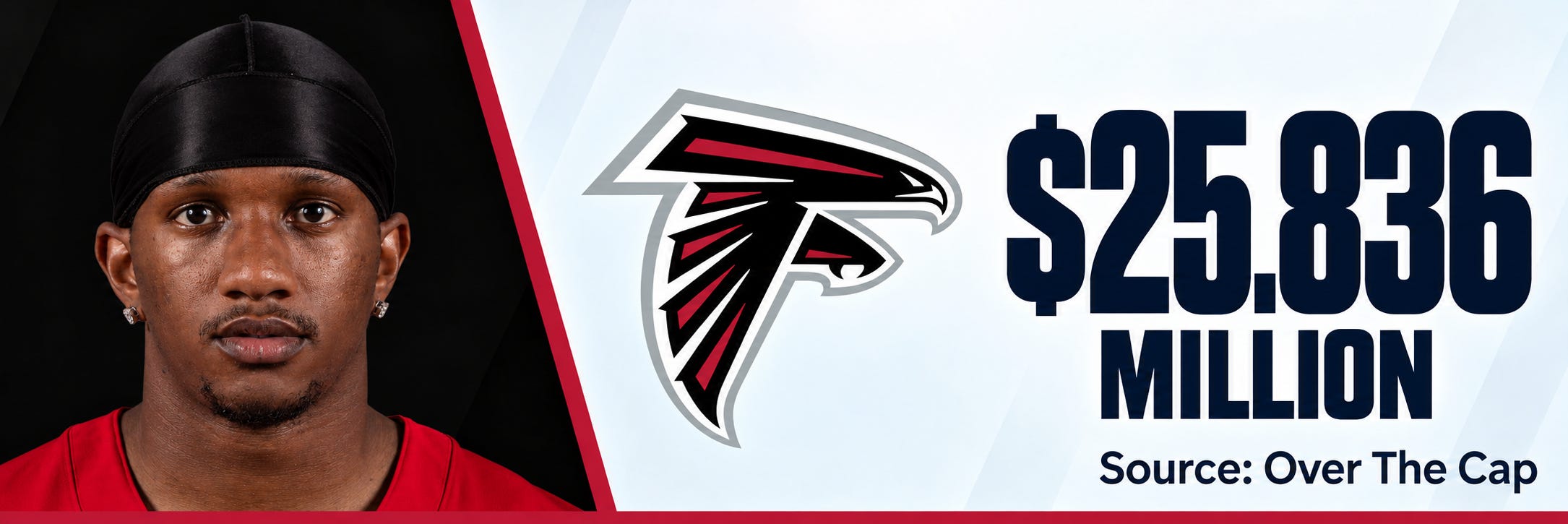
Penix’s current 5th-year option is projected at $25.836 million, with limited playing time over his first two seasons preventing him from qualifying for the playtime bump. Now his encouraging return to the Falcons’ starting lineup has been interrupted by another injury concern, with a rib issue against Baltimore reinforcing an ongoing health quandary. If Penix Jr. can’t stay healthy and put together a long string of games this season, there’s a very real chance that his 5th-year option is declined. At this point, long-term extension talks aren’t even realistic. Particularly if the Falcons falter into a solid pick in a quarterback-rich 2027 draft.
Olu Fashanu, OT, New York Jets (No. 11 overall pick)
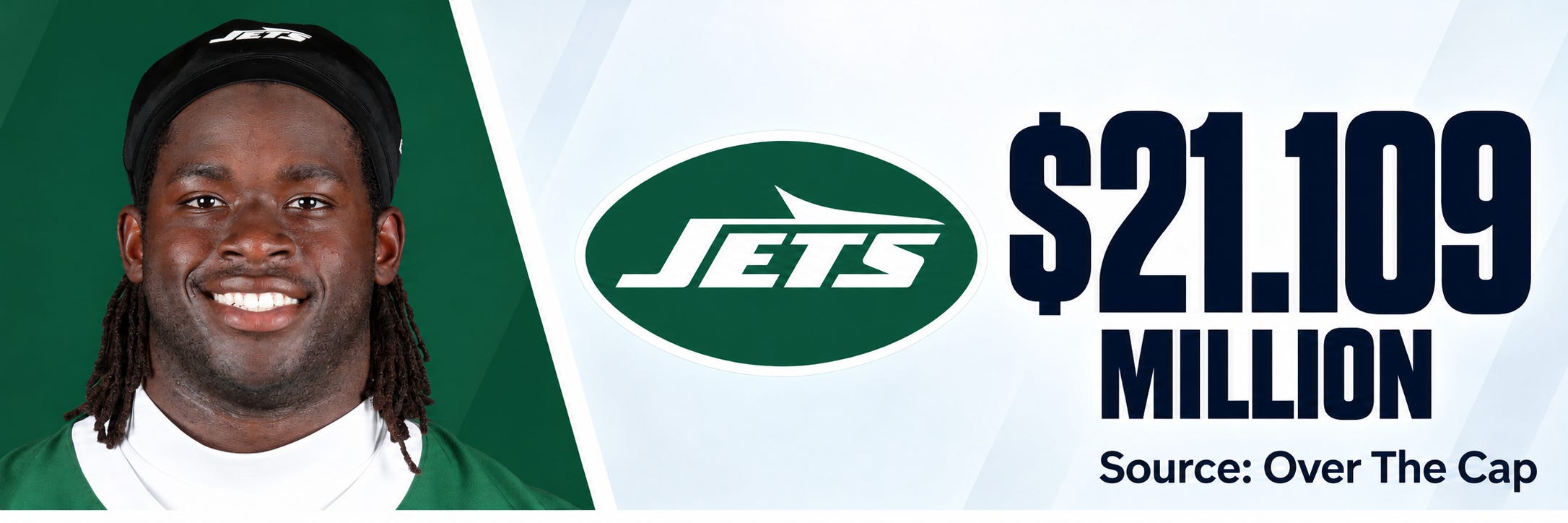
Fashanu’s 5th-year option is projected at $21.109 million, but can climb to $22.37 million with a playing time qualifier. I’d say he just barely falls into the coin-toss category, given that he’s a young starting left tackle who has a position premium and ceiling that makes him worth keeping through the 5th-year option. But he’s got some inconsistent pass protection aspects that at least make it a decision right now. A steady finish and he should have the option triggered fairly easily. But if the protection breakdowns and inconsistency continue, I can see the Jets simply declining the 5th-year and making 2027 a “show me” season.
Taliese Fuaga, OT, New Orleans Saints (No. 14 overall pick)
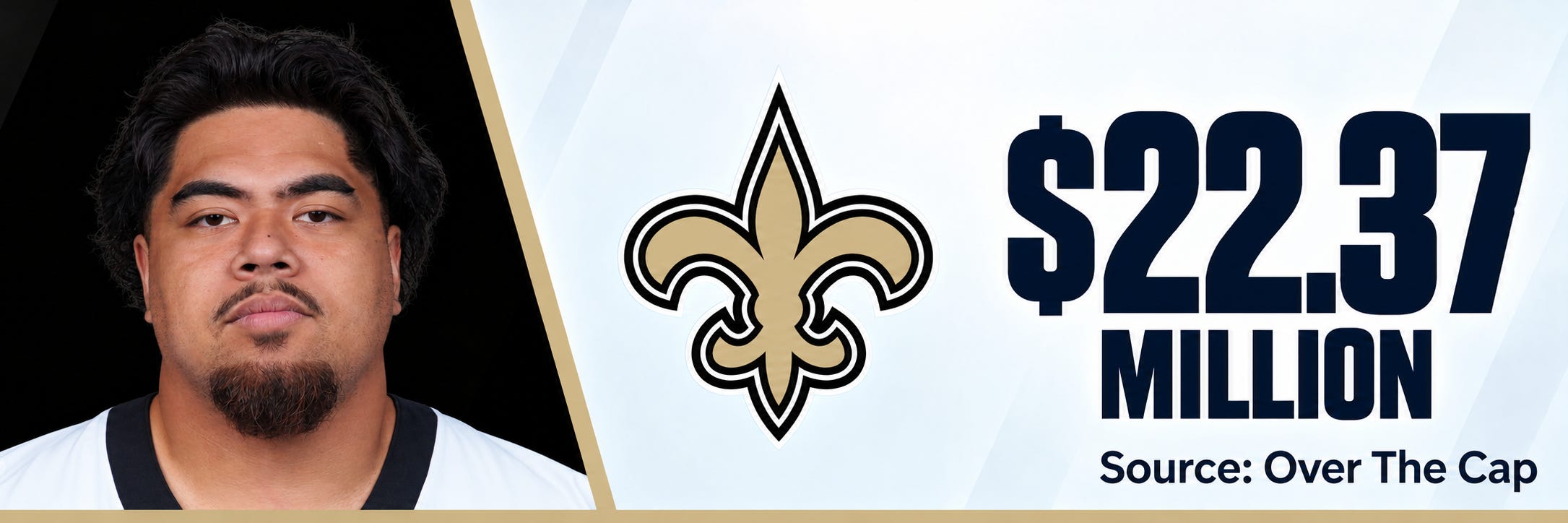
Fuaga’s 5th-year option is projected at $22.37 million. His starting experience leans in his favor, but as with Fashanu with the Jets, his pass-protection struggles mean a guarantee north of $22 million is going to give the Saints pause if there aren’t signs of improvement. Bottom line, he needs to establish himself as a dependable right tackle over the remainder of the season to get out of the coin-toss tier.
Troy Fautanu, OT, Pittsburgh Steelers (No. 20 overall pick)
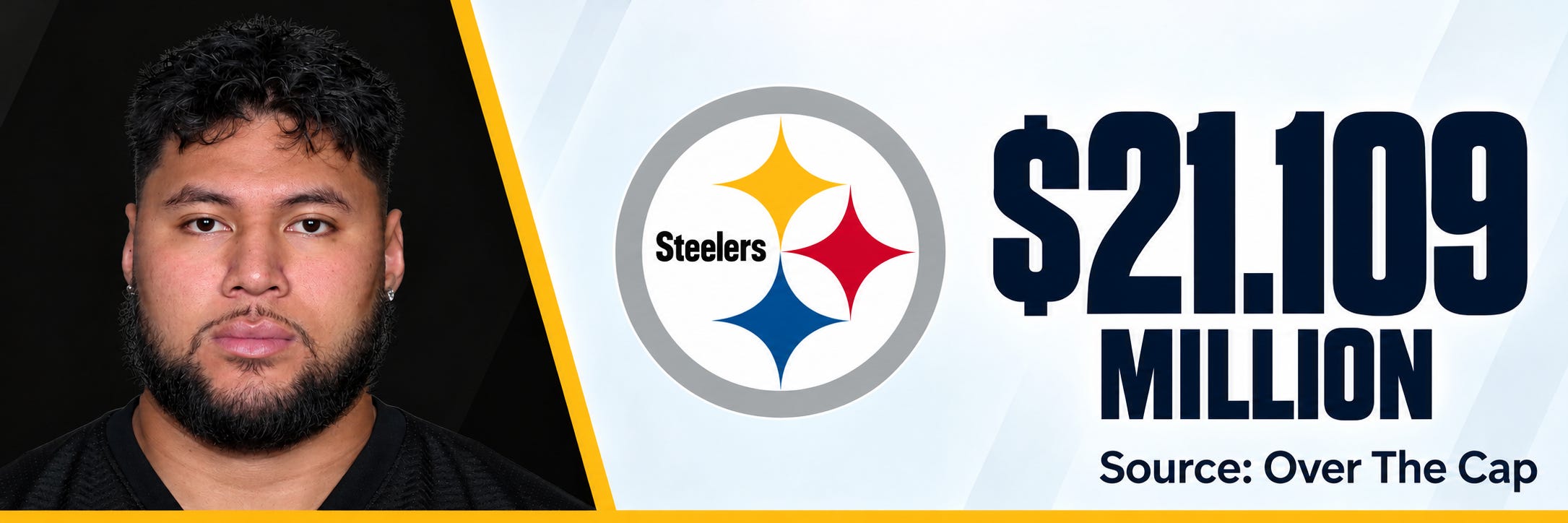
Fautanu’s current 5th-year option is projected at $21.109 million. Playing time markers could boost it to $22.37 million. Losing nearly his entire first season to injury definitely hurt his development, so there’s an argument to be made that he’s still basically a rookie. I’d say he’s another tackle like Fashanu and Fuaga who just needs to show some improvement over the remainder of the season. Again, the left tackle position premium matters here.
Chop Robinson, LB, Miami Dolphins (No. 21 overall pick)
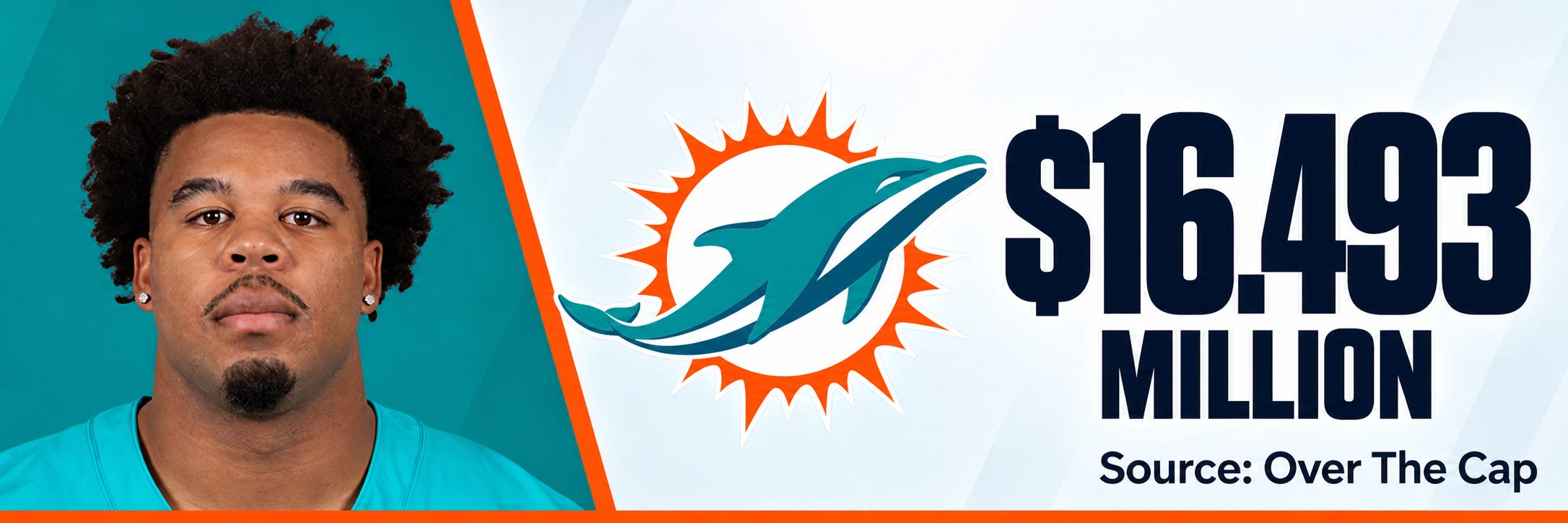
Robinson’s 5th-year option is projected at $16.493 million in the lowest linebacker tier, with 2026 being his first year as a dedicated starter. He showed a lot of promise early in his career, but he was drafted on a lot of upside that he hasn’t really scratched at this point. That said, his last two games against the Cincinnati Bengals and Minnesota Vikings flashed, too. There’s some optimism that he’s going in the right direction. If those are representative of him getting into a groove the rest of the season, he will be elevated out of the coin-toss tier fairly easily. Especially at a 5th-year price tag that isn’t wildly expensive.
Brian Thomas Jr., WR, Jacksonville Jaguars (No. 23 overall pick)
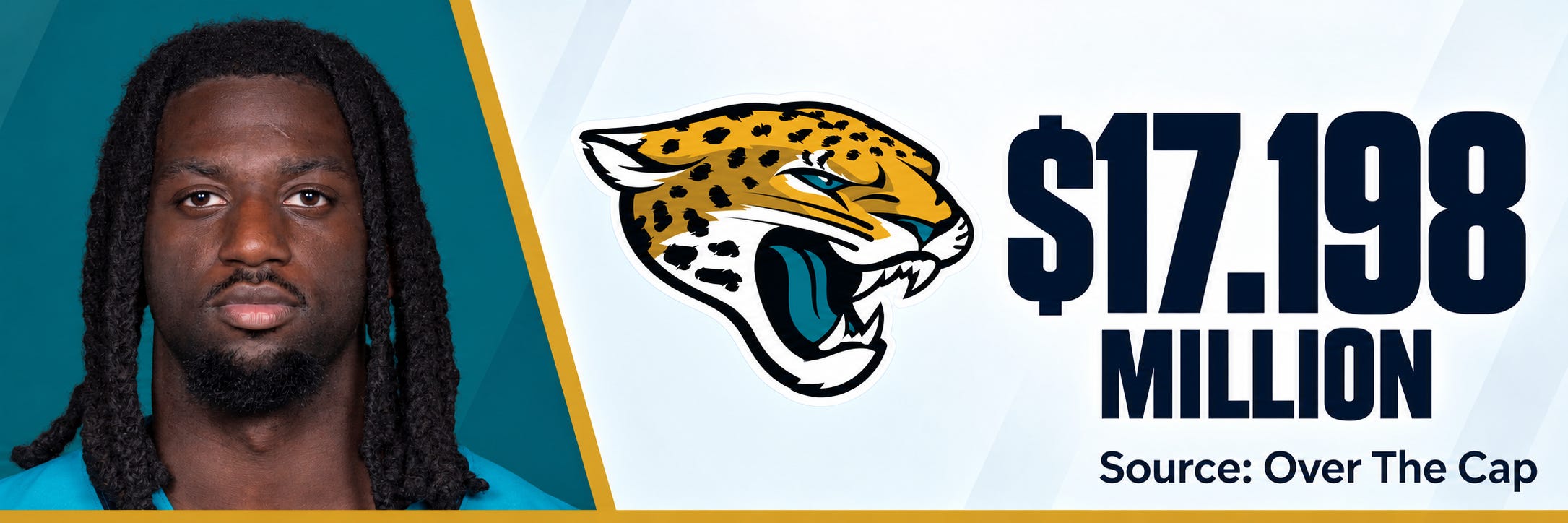
Thomas’ current 5th-year option is projected at $17.198 million. That can bump to $18.95 million with a playing time trigger. His rookie Pro Bowl appearance doesn’t count toward the escalator, because he made the team as an alternate rather than an original-ballot player. It’s hard to erase a fantastic rookie season from memory, but it’s fading quickly as Thomas Jr. has seemingly been phased out of the Jaguars’ offense. I could see Thomas, Harrison Jr., being a trade acquisition for a team that can give him a fresh start and values his speed. But if he finishes 2026 the way he has started through five games — with only 105 receiving yards thus far — it’s hard to see anyone taking a $17 million to $18 million chance just to see if that 2024 season still exists anywhere inside him.
Jordan Morgan, OT, Green Bay Packers (No. 25 overall pick)
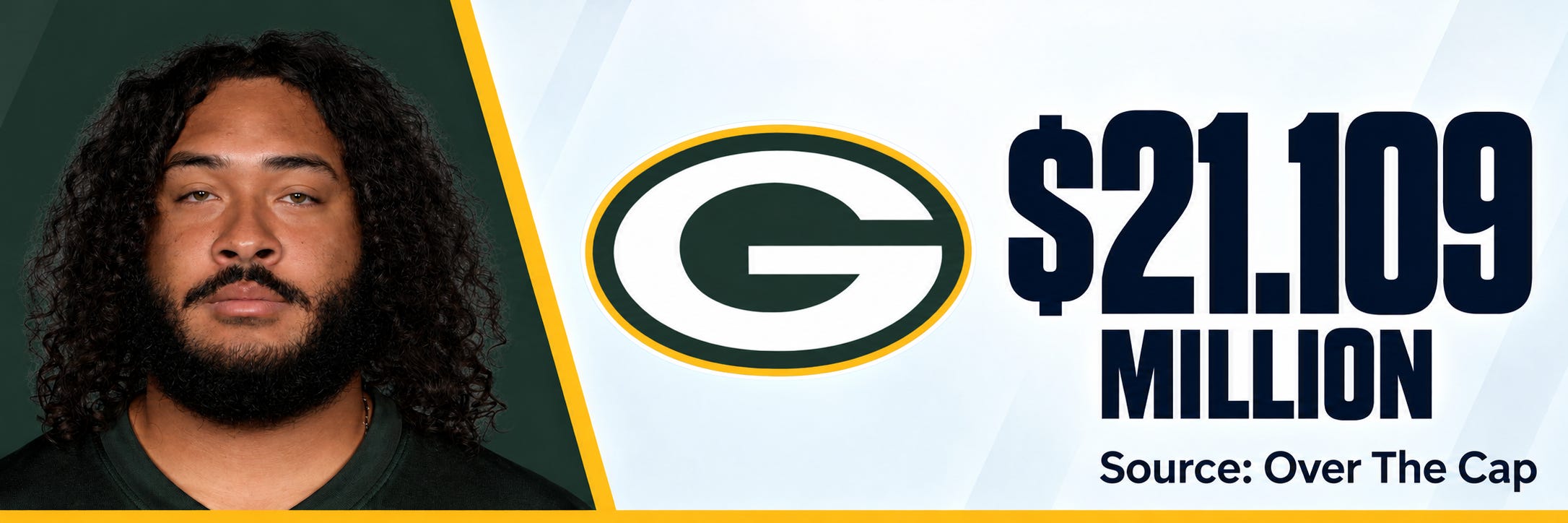
Morgan’s 5th-year option is projected at $21.109 million. His limited role in his first two seasons removes him from a playing time bump. The Packers have committed to this opportunity at left tackle, but the early adjustment is hardly screaming for an automatic trigger of his 5th-year option. But as with the other offensive tackles in the coin-toss tier, even modest improvement and position premium could make locking Morgan in through 2028 an easy decision.
Graham Barton, C, Tampa Bay Buccaneers (No. 26 overall pick)
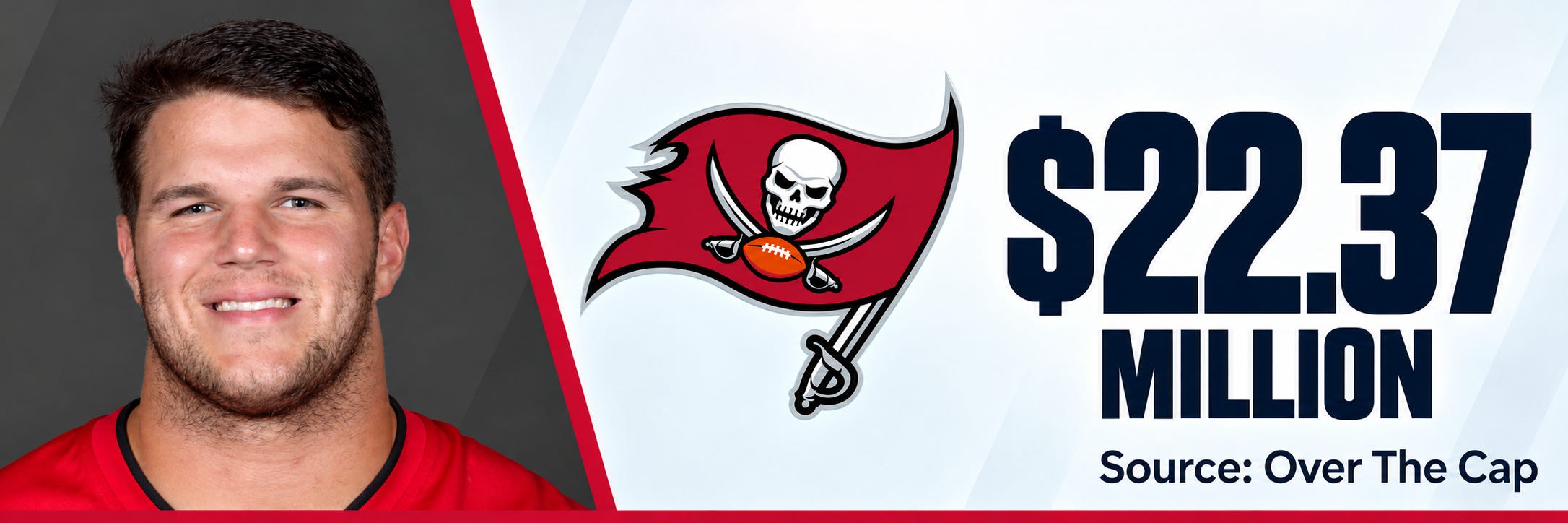
Barton’s 5th-year option is projected at $22.37 million, thanks to a consistent starting role since his rookie season. Normally, a three-year staple starter wouldn’t be in a coin-toss tier, but that $22.37 million is a lot at the center position. Basically, he’d be earning a paycheck that’s suggestive of him being among the elite at his position. Right now, Barton isn’t. But if he finishes out this season strong and remains a reliable cog, Tampa Bay could justify the price by projecting that he’ll grow into an upper-tier center group by 2028. But for now, the price just seems a bit prohibitive.
Darius Robinson, EDGE, Arizona Cardinals (No. 27 overall pick)
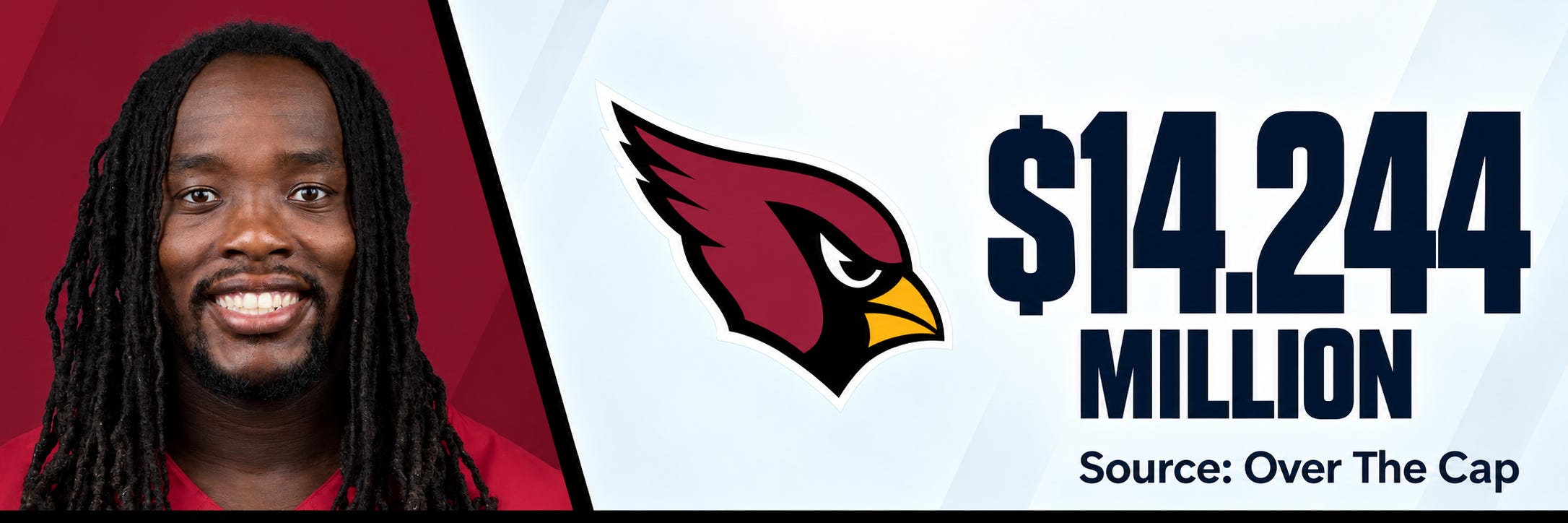
Robinson’s 5th-year option is projected at $14.244 million. Missing most of his rookie season and two games in 2025 has locked him out of a potential playing time bump. A shade over $14 million isn’t exactly a king’s ransom for an edge these days, but Robinson’s production through 26 games is not worth that price, either. A new defensive coaching staff and his role as a platoon player don’t bode well for his option getting picked up. At some point, the untapped potential needs to start paying out. And thus far, it hasn’t.
Xavier Worthy, WR, Kansas City Chiefs (No. 28 overall pick)
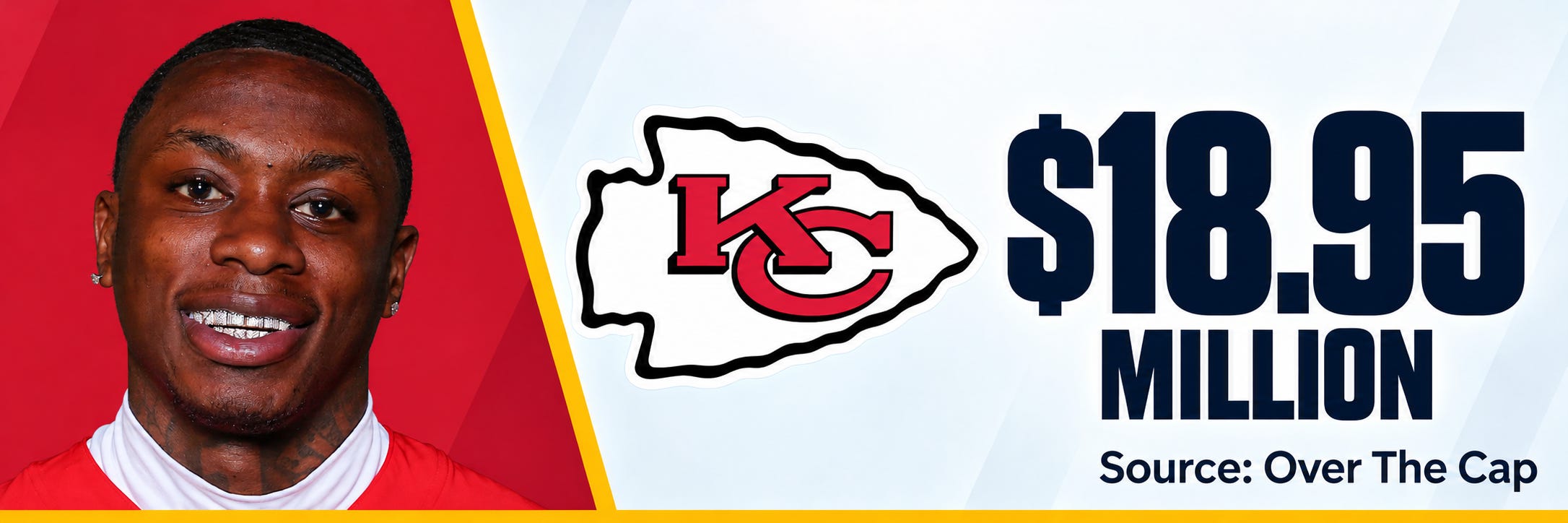
Worthy’s 5th-year option is projected at $18.95 million thanks to playing time triggers that should be reached in 2026. His role in the Kansas City offense just doesn’t seem to be growing, which makes a near-$19 million price tag hard to swallow in 2028. His speed hasn’t gone anywhere, but health and other factors have muddled progress — at a time when the Chiefs need his production, no less. The injury to Tyquan Thornton could end up opening another lane of opportunity, but Worthy is going to have to seize it to get his 5th-year option triggered.
Tyler Guyton, OT, Dallas Cowboys (No. 29 overall pick)
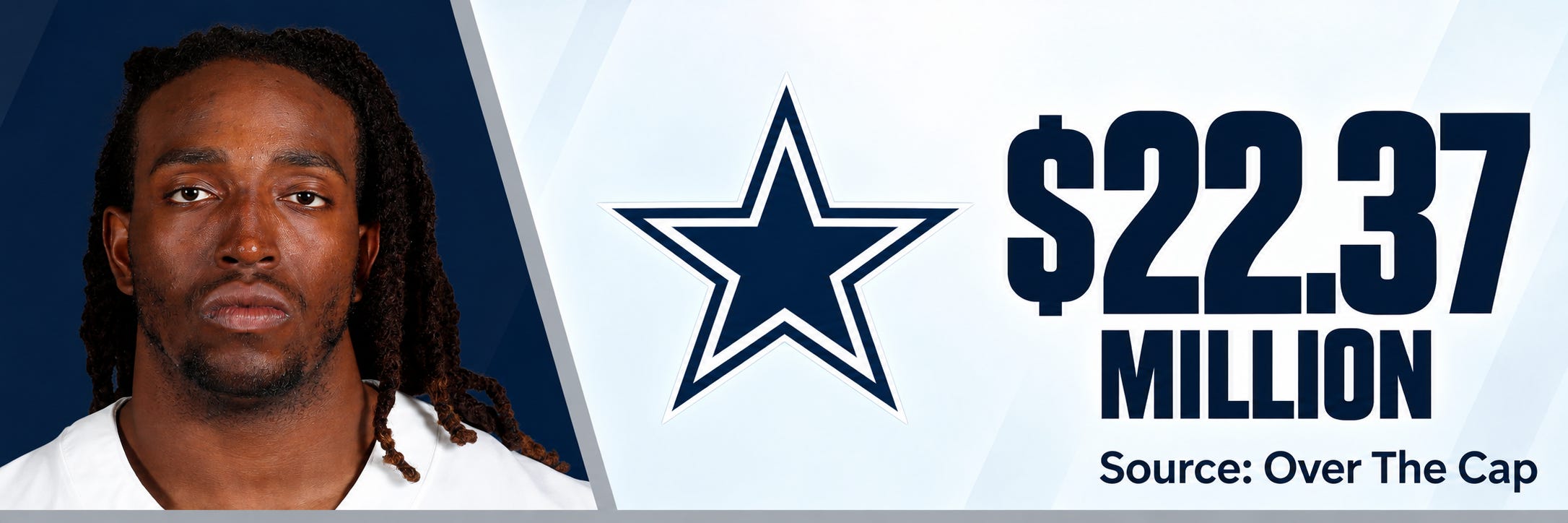
Guyton’s 5th-year option is projected at $22.37 million due to playing time qualification. This despite his 2025 season being limited to 10 games. The injury factor continues to be concerning and the Cowboys are already looking at a bit of a cap pinch if they’re going to try to set aside money for George Pickens or Joey Porter Jr. That said, Guyton has looked like he’s settling in at the left tackle spot. Position premium will mean something here, if Guyton can stay healthy. If he continues trending upward and being available on Sundays, he should move out of the coin-toss tier pretty easily.
2027 is the end: Players who won’t have their option picked up
J.J. McCarthy, QB, New York Giants (No. 10 overall pick)
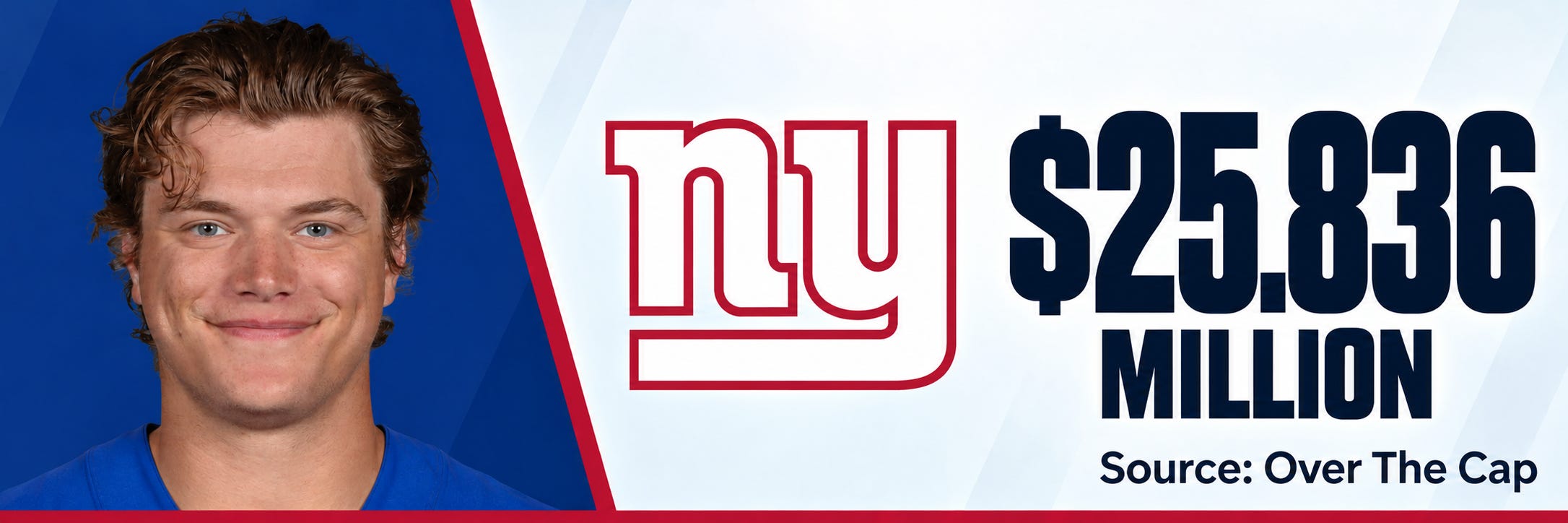
McCarthy’s current 5th-year option is projected at $25.836 million in the basic tier. There won’t be a playing time bump after he lost his entire rookie season and parts of 2025 to injury. Not that it matters. The Giants already have an existing investment in Jaxson Dart, which makes paying McCarthy a luxury that makes no sense. The likelier path is McCarthy’s 5th-year option being declined and him playing out the 2027 season as a backup/emergency plan if Dart’s health fails again.
Ricky Pearsall, WR, San Francisco 49ers (No. 31 overall pick)
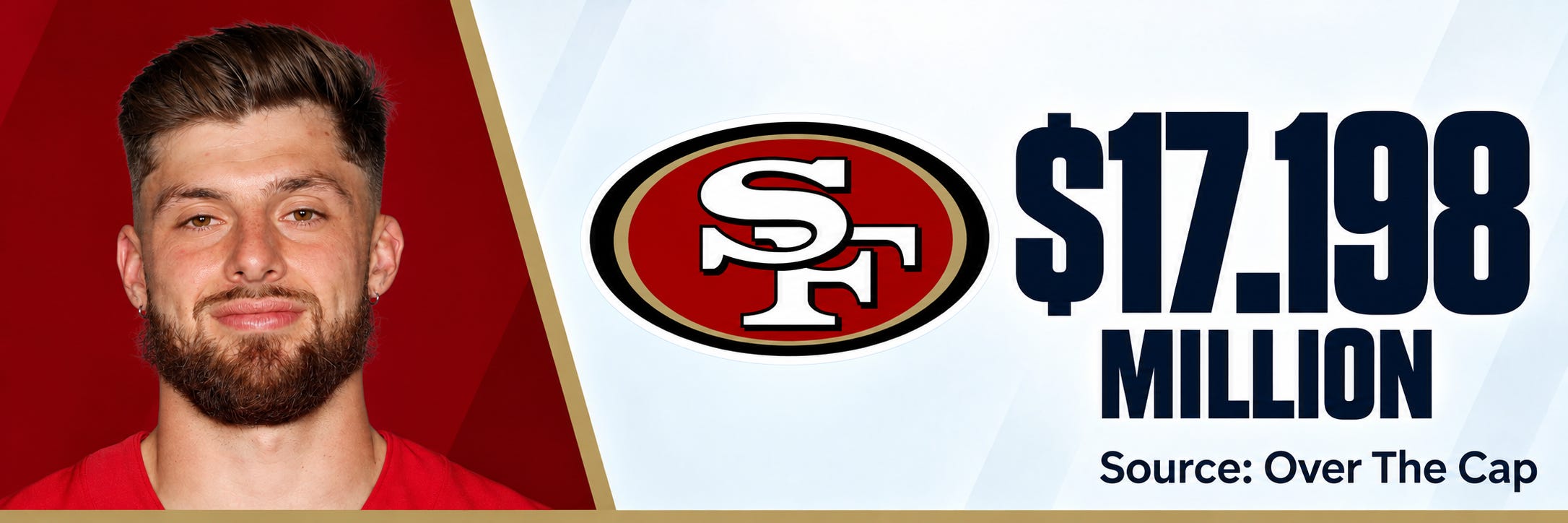
Pearsall’s current 5th-year option is projected at $17.198 million. His spate of injuries — including one that ended his 2026 season before it started — eliminates any chance of any bump out of that bracket. While Pearsall has certainly flashed talent, he just can’t stay healthy. I’m not sure how the 49ers could gamble on locking him in for 2028 at that price when they have no idea what he’s going to look like in 2027 coming off knee surgery. He needs to show that he can return and stay on the field, then prove that he can carve out a meaningful role. That’s not the type of player that you commit more than $17 million to. They already wasted money gambling on Brandon Aiyuk. I just don’t see it happening again. So 2027 becomes a “show me” season.
Xavier Legette, WR, Carolina Panthers (No. 32 overall pick)
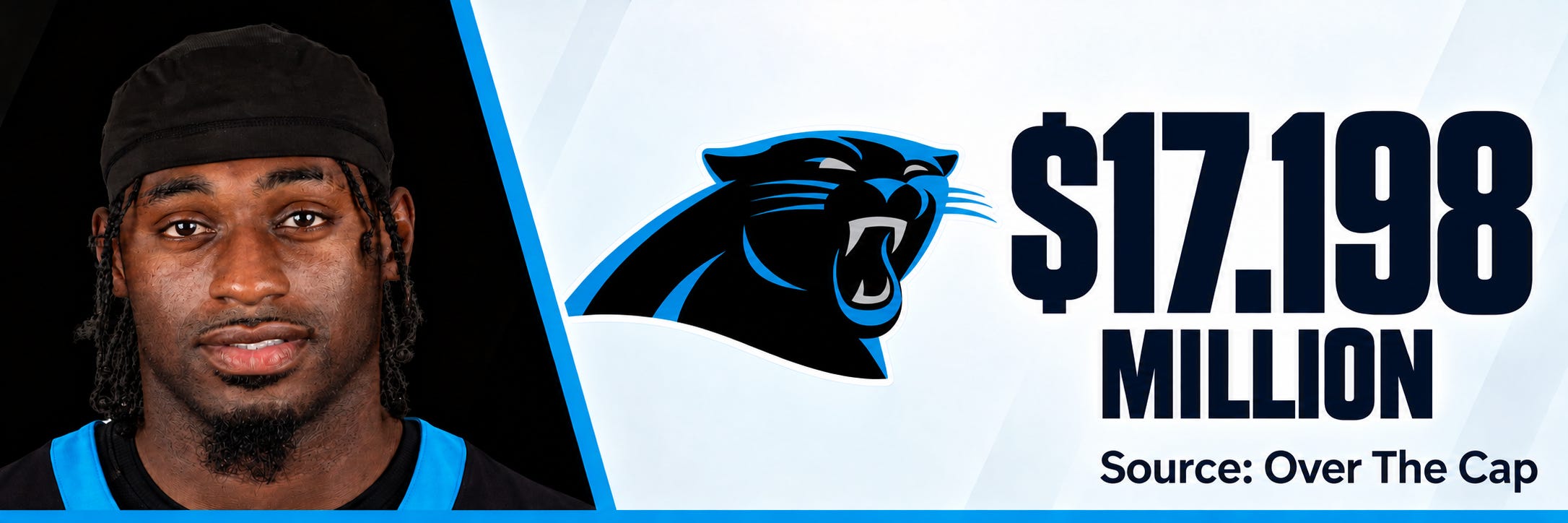
Legette’s current 5th-year option is projected at $17.198 million. That could bump to $18.95 million with a playing time trigger. As with Pearsall, I’m not sure the number matters. Despite opportunities, Legette’s role has just never developed in Carolina. At this point, it would take injuries to get him any kind of consistent chances the rest of this season. If he’s not traded for a late-round pick swap — and he might be — I expect the Panthers will decline his option and play out 2027 with low expectations.
5th-year option no longer available
Terrion Arnold, CB, Seattle Seahawks (No. 24 overall pick)
Arnold no longer has a 5th-year option projection because his original rookie contract ended after Detroit waived him and he cleared waivers.